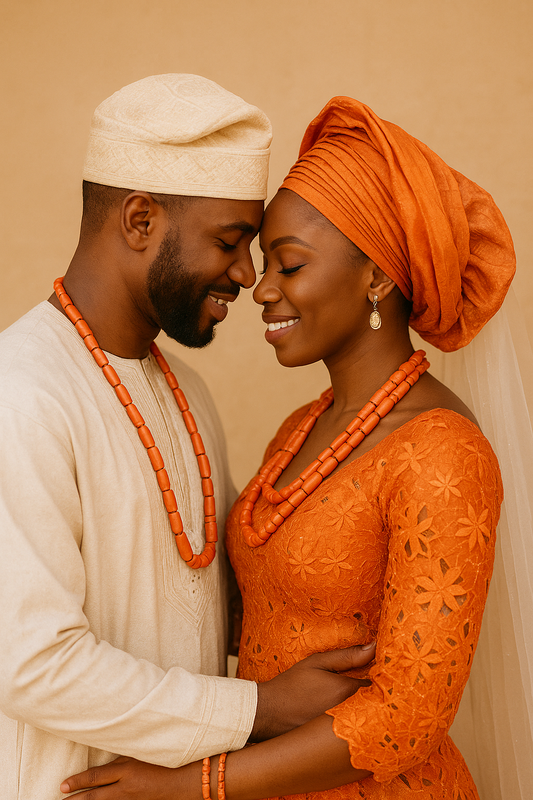
Building a Christ-Centered Marriage
Marriage, as designed by God, is a beautiful covenant that reflects Christ's relationship with the church. It is a journey of two imperfect people learning to love, serve, and grow together. This guide offers a faith-based framework for building a strong, lasting, and Christ-centered marriage.
In-Depth Discussion
The Foundation: A Three-Cord Strand
Ecclesiastes 4:12 states, 'Though one may be overpowered, two can defend themselves. A cord of three strands is not quickly broken.' In a Christian marriage, the three strands are the husband, the wife, and God. When God is woven into the fabric of your relationship, it becomes infinitely stronger. This means prioritizing a shared spiritual life through prayer, worship, and studying God's Word together. It's about individually and corporately submitting your lives and your marriage to His lordship, making Him the center around which your union revolves.
Love and Respect: The Biblical Roles
Ephesians 5 provides a powerful blueprint for marital harmony. Husbands are called to love their wives as Christ loved the church—a sacrificial, unconditional, and nurturing love that seeks her good above his own. Wives are called to respect their husbands, recognizing and honoring their God-given role of leadership in the home. These roles are not about hierarchy or one being superior to the other, but about a mutual, complementary partnership where both spouses feel valued, secure, and cherished. It's a beautiful dance of selflessness and honor that reflects the gospel.
Communication and Conflict Resolution
Healthy communication is the lifeblood of a strong marriage. This involves not only sharing your thoughts and feelings but also listening with empathy and a desire to understand. Conflict is inevitable, but it can be handled in a healthy, constructive way. The goal in conflict should not be to 'win' the argument, but to understand each other and find a solution together. This means avoiding harsh words, practicing active listening, and being willing to compromise. A Christ-centered approach to conflict seeks resolution and reconciliation, not victory.
The Power of Forgiveness
Because we are all imperfect, we will hurt each other. A Christ-centered marriage is marked by a willingness to extend grace and forgiveness, just as Christ has forgiven us (Colossians 3:13). Forgiveness is not a feeling; it is a choice. It is choosing to release the debt you feel you are owed by your spouse. Holding onto bitterness and resentment will poison a relationship from the inside out. Regularly practicing forgiveness keeps the heart soft and the relationship healthy, creating a safe space for both partners to be imperfect.